2026-04-13
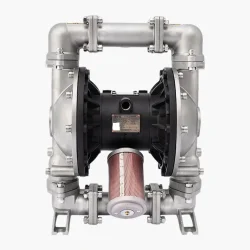
The unique diaphragm design of a diaphragm pump effectively isolates the medium from the drive components, ensuring safe delivery of corrosive, high-viscosity, or solid-particle-containing liquids. However, proper installation is crucial for the long-term stable operation of the diaphragm pump. The following outlines the installation precautions for diaphragm pumps from four aspects: installation environment, foundation preparation, piping connection, and commissioning and maintenance.
I. Installation Environment Selection
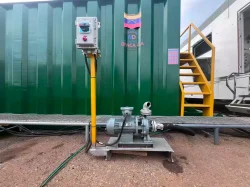
Diaphragm pumps should be installed in a dry, well-ventilated indoor environment free of corrosive gases, avoiding direct sunlight and rain. If outdoor installation is required, a protective shed should be erected or a waterproof motor should be used. The installation location should also be far away from strong electromagnetic interference sources (such as large motors and frequency converters) to prevent signal interference from affecting control accuracy. In addition, sufficient operating space should be reserved (at least 0.8 meters in front and behind) for easy daily inspection and maintenance.
II. Foundation and Fixing Requirements
Diaphragm pumps must be installed on a flat, solid concrete foundation. The foundation weight should be 2-3 times the weight of the equipment to reduce vibration transmission. Using vibration damping pads or spring dampers during installation can further reduce operating noise. The pump body is fixed to the foundation with anchor bolts, which must be tightened to the specified torque to prevent increased vibration or pipe breakage due to loosening. For mobile applications, a dedicated support bracket is required to ensure stability.
III. Piping Connection Specifications
Pipelining connection is a core aspect of diaphragm pump installation. First, the inlet and outlet pipes should use flexible connections (such as rubber hoses) to avoid stress concentration caused by rigid connections. Second, the pipe diameter must match the pump body interface; too large or too small a diameter will affect flow accuracy. During installation, weld slag, rust, and other impurities must be removed from the pipes to prevent diaphragm blockage or valve damage. Furthermore, a filter screen (mesh size selected according to media characteristics) should be installed on the inlet pipe, and an vent valve should be installed on the outlet pipe for initial venting. Finally, the pipeline route should avoid sharp bends or vertical rises to reduce fluid resistance.
IV. Commissioning and Maintenance Points
After installation, a no-load test run should be performed to check if the motor rotation direction is correct (usually clockwise) and if the operation is smooth and without abnormal noise. During load commissioning, gradually increase the pressure to the rated value and observe whether the flow rate and pressure stabilize. During routine maintenance, the diaphragm wear should be checked regularly (replacement is recommended every 3-6 months), the inlet and outlet filters should be cleaned, and loose parts should be tightened. When the pump is to be shut down for an extended period, the medium inside should be drained, and rust-preventive oil should be applied for preservation.
Conclusion
The installation quality of the diaphragm pump directly affects its service life and operating efficiency. By scientifically selecting the installation environment, standardizing foundation fixation, strictly controlling pipeline connections, and emphasizing commissioning and maintenance, the equipment performance can be maximized, creating a stable production environment for enterprises.